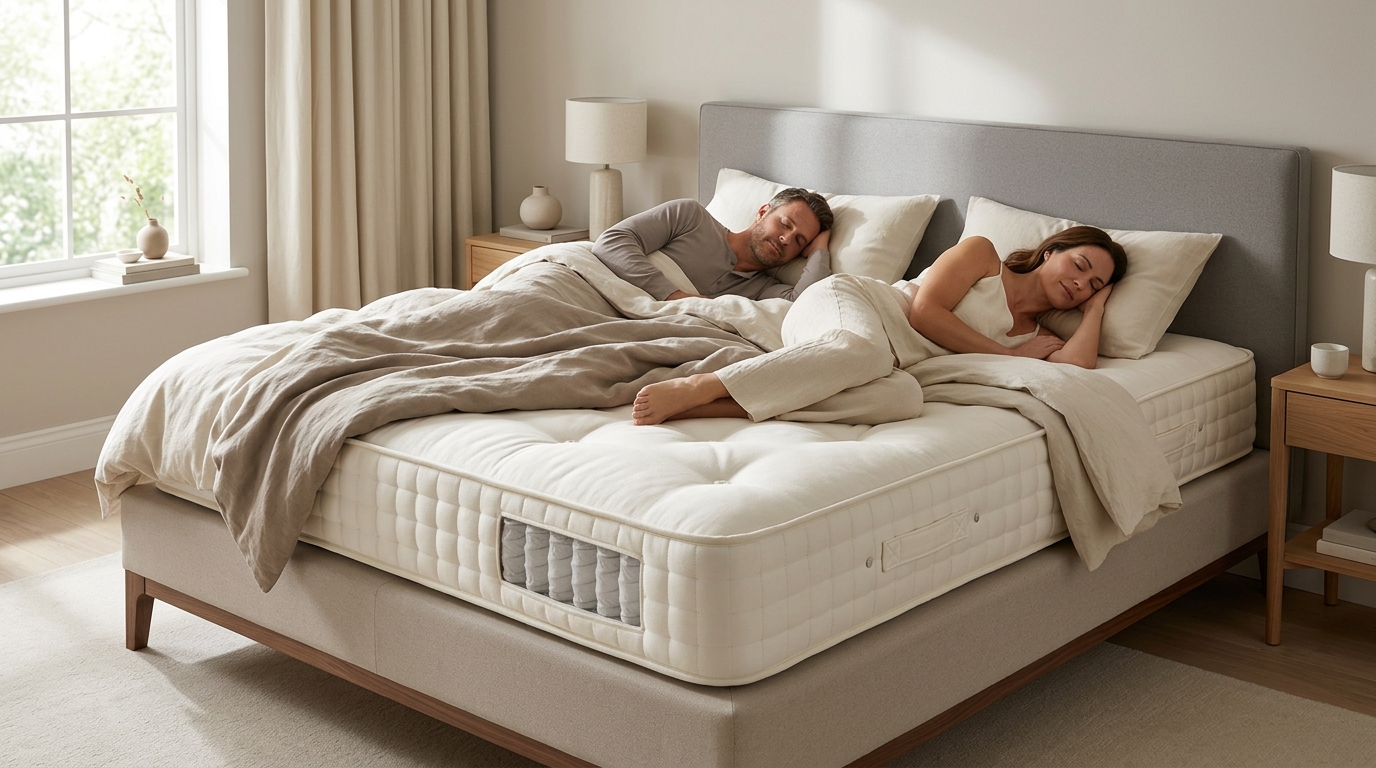

I've dealt with lower back pain for years after long days at the desk and rough nights tossing and turning. Nothing made a bigger difference than finally finding the right best mattress for back pain. If you're waking up stiff, sore, or worse than when you went to bed, your mattress might be the hidden culprit. The good news? The right choice can help align your spine, relieve pressure points, and let your body actually recover overnight. Just remember, while a great mattress helps many people reduce pain, it's not a substitute for professional medical advice.
Key Takeaways
- Medium-firm mattresses often provide the best balance of support and pressure relief for most back pain sufferers.
- Your sleep position, body weight, and specific condition matter more than brand hype.
- Look for strong lumbar support, proper spinal alignment, and a generous trial period.
- Pair your mattress with the right pillow and habits for full recovery.
- Replace a sagging mattress immediately – don't wait until pain gets unbearable.
Table of Contents
- Quick Answer: What Is the Best Mattress for Back Pain?
- Why Your Mattress May Be Making Your Back Pain Worse Every Night
- What Most People Get Wrong Is Assuming a Firm Mattress Is Always Better
- Understanding How Different Mattress Types Affect Back Pain
- I've Seen This Happen Many Times: Buying the Wrong Mattress for Your Sleep Position
- Which Mattress Works Best for Specific Back Conditions?
- Honestly, I Made This Mistake Too: Choosing a Mattress Based Only on Brand Names
- Mattress Technologies That Can Make a Real Difference
- This Is Where Things Get Real: A Mattress Alone May Not Solve Your Back Pain
- Comparison Table: Best Mattress Types for Back Pain
- Mattress Recommendations by Age Group
- Best Mattresses for Couples Dealing With Back Pain
- AI-Powered Sleep Analysis: Can Technology Help You Choose the Right Mattress?
- AI vs Human Sleep Specialist Comparison
- Step-by-Step Guide: How to Choose the Best Mattress for Back Pain
- Real-Life Back Pain Scenarios and Mattress Solutions
- Mistakes Beginners Make When Buying a Mattress for Back Pain
- How to Know When It's Time to Replace Your Mattress
- Frequently Asked Questions About the Best Mattress for Back Pain
- Key Takeaways for Finding the Right Mattress Without Wasting Money
Selected image filenames for SEO:
1. firm-mattress-back-pain.jpg
2. couples-mattress-back-pain.jpg
3. choosing-best-mattress-back-pain.jpg
Quick Answer: What Is the Best Mattress for Back Pain?
The best mattress for back pain is one that promotes neutral spinal alignment, offers excellent pressure relief at the shoulders and hips, and provides targeted lumbar support. Medium-firm options work best for most people as they cradle the body without letting the spine curve unnaturally.
Featured Snippet Definition
A top mattress for back pain combines contouring comfort layers with a supportive core to keep your spine in its natural S-curve. This reduces pressure on discs and muscles while allowing deep, restorative sleep. Medium-firm feels are backed by research for pain relief in many cases.
Quick Recommendations by Need
- Best for lower back pain: Hybrid with zoned lumbar support.
- Best for sciatica: Memory foam for pressure relief.
- Best for side sleepers: Softer top layers with hip cushioning.
- Best for heavy people: High-density hybrids or latex.
- Best for couples: Pocket spring hybrids with strong motion isolation.
- Best cooling mattress: Latex or gel-infused hybrids.
- Best orthopedic mattress: Models with reinforced lumbar zones.

Why Your Mattress May Be Making Your Back Pain Worse Every Night
After testing dozens of beds over the years, I've seen how an old or mismatched mattress silently worsens back issues. You might not notice until the damage builds up.
Signs Your Mattress Is Causing Back Pain
- Waking up stiff or in more pain than bedtime.
- Pain eases as you move around during the day.
- Visible sagging in the middle or edges.
- You sleep better on hotel beds or friends' couches.
The Hidden Link Between Sleep Quality and Pain Recovery
During deep sleep, your body repairs muscle tissue and regulates inflammation. Poor support disrupts this process. Chronic sleep disruption from bad mattresses can amplify pain signals and slow healing.
Most People Ignore This Part: Your Spine Needs Neutral Alignment
Neutral spine means your neck, mid-back, and lower back maintain their natural curves when lying down. Without it, pressure builds on discs and nerves. Imagine a straight line from head to heels when on your side or back.
Also read: Bedroom Design Ideas for Comfort: The Sleep Specialist’s 2026 Guide
What Most People Get Wrong Is Assuming a Firm Mattress Is Always Better
I used to think firmer was always superior for backs. Turns out that's one of the biggest myths out there.
Soft vs Medium vs Firm Mattress Comparison
Soft mattresses offer great pressure relief but can lack support for heavier people. Firm provides solid foundation but may create pressure points for side sleepers. Medium-firm strikes the ideal balance for spinal support and comfort.
Why Medium-Firm Often Wins Clinical Research
Studies consistently show medium-firm surfaces reduce pain reports better than very firm ones for general back pain. They allow slight sinking for alignment while preventing excessive curve.
Firmness Recommendations by Body Weight
- Under 60 kg: Medium to medium-soft.
- 60–90 kg: Medium-firm is usually perfect.
- 90–120 kg: Firmer hybrids with strong support cores.
- 120+ kg: Extra firm or reinforced bariatric options.
BMI-Based Mattress Selection
Lightweight sleepers need more contouring. Average weight folks do well across categories. Heavy sleepers require higher density materials to avoid bottoming out. This is a detail many reviews miss.
Understanding How Different Mattress Types Affect Back Pain
Different constructions suit different needs when searching for the best mattress for back pain.
Memory Foam Mattresses
They excel at body contouring and pressure relief.
Pros: Excellent contouring, reduced pressure points, great motion isolation.
Cons: Some retain heat, can feel too hugging for combination sleepers.
Hybrid Mattresses
Combines foam comfort with coil support.
Pros: Support + comfort balance, better airflow, responsive.
Cons: Usually more expensive.
Latex Mattresses
Natural or synthetic latex offers bounce and durability.
Pros: Responsive support, durable, naturally cooler.
Cons: Higher upfront cost.
Orthopedic Mattresses
Designed with extra lumbar reinforcement.
Pros: Targeted support, good for specific conditions.
Cons: Marketing claims often overstate benefits.
Pocket Spring Mattresses
Individual coils wrapped in fabric.
Pros: Airflow, supportive feel, good edge support.
Cons: Less contouring than foam layers.
I've Seen This Happen Many Times: Buying the Wrong Mattress for Your Sleep Position
Matching mattress to how you sleep is crucial for pain relief.
Best Mattress for Side Sleepers With Back Pain
Need cushioning at shoulders and hips while keeping hips aligned. Look for softer tops over supportive bases.
Best Mattress for Back Sleepers
Prioritize even weight distribution and strong lumbar support to fill the gap under your lower back.
Best Mattress for Stomach Sleepers
Avoid deep sinkage. Firmer options help prevent hip dipping and neck strain.
Best Mattress for Combination Sleepers
Responsive hybrids or latex allow easy position changes without fighting the bed.

Which Mattress Works Best for Specific Back Conditions?
Different issues benefit from slightly different features.
Lower Back Pain
Zoned support hybrids often work wonders by reinforcing the lumbar area.
Sciatica Pain
Memory foam or hybrids that relieve nerve pressure through contouring.
Herniated Disc
Medium-firm with good pressure relief to minimize compression.
Degenerative Disc Disease
Supportive yet forgiving surfaces that reduce shock.
Arthritis and Joint Pain
Soft contouring tops with overall support.
Scoliosis
Customized firmness and possibly adjustable bases for alignment.
Pregnancy-Related Back Pain
Medium options with extra hip and belly cushioning. Always consult your doctor.
Realistic expectations: Many feel improvement within weeks, but combine with proper posture and stretches.
Honestly, I Made This Mistake Too: Choosing a Mattress Based Only on Brand Names
Big names don't always mean best performance for back pain.
What Actually Matters More Than Brand
- Support system quality
- Material density and durability
- Trial period length
- Return policy ease
Red Flags Hidden in Mattress Marketing
Beware of vague "orthopedic approved" claims without specifics. Buzzwords like "therapeutic" often mean little without real testing data.
How to Read Mattress Specifications Like an Expert
Check foam density (higher is better for durability), coil count and gauge, layer order, and warranty terms. A 10-year warranty is standard but check for sagging coverage.
Mattress Technologies That Can Make a Real Difference
Modern features can enhance pain relief.
Zoned Lumbar Support Systems
Different firmness zones target the lower back for better weight distribution.
Pressure Mapping Technology
Shows exactly where pressure builds up on your body.
Motion Isolation for Couples
Prevents partner movement from disturbing your sleep – crucial because interrupted sleep worsens pain.
Cooling Technologies for Pain Sufferers
Gel foams, copper infusions, phase change materials, and breathable covers help regulate temperature so you stay comfortable all night.
Also read: Understanding European Bed Sizes: The Complete 2026 Guide for Expats & Homeowners
This Is Where Things Get Real: A Mattress Alone May Not Solve Your Back Pain
The mattress is important but part of a bigger picture.
The Complete Sleep Recovery System
Mattress, supportive pillow, proper sleep position, and daily stretching all work together.
Orthopedic Pillows and Neck Alignment
Choose pillow height that keeps your neck in line with your spine.
Adjustable Bases and Back Pain Relief
Slight elevation or zero-gravity positions can ease pressure on the lower back.
Sleep Ergonomics Explained
Think full-body alignment from head to toe. Small adjustments yield big relief.
Also read: How to Make Your Bed Feel Like a Luxury Hotel: The Ultimate Guide to Five-Star Sleep

Comparison Table: Best Mattress Types for Back Pain
| Mattress Type | Pressure Relief | Lumbar Support | Cooling | Motion Isolation | Durability | Ideal Sleeper | Budget Range |
| Memory Foam | Excellent | Good | Moderate | Excellent | Good | Side sleepers, light-average | Medium |
| Hybrid | Very Good | Excellent | Good | Very Good | Excellent | Most people, couples | Higher |
| Latex | Good | Very Good | Excellent | Good | Excellent | All positions, hot sleepers | Higher |
| Orthopedic | Good | Excellent | Varies | Varies | Good | Specific conditions | Medium-High |
| Pocket Spring | Moderate | Good | Good | Good | Good | Back/stomach sleepers | Medium |
Mattress Recommendations by Age Group
Needs change with life stages.
Young Adults
Responsive hybrids for active lifestyles and recovery from sports.
Office Workers
Medium-firm with strong lumbar zones to counter desk posture.
Athletes
High-recovery materials like latex for fast muscle repair.
Seniors
Pressure-relieving foams with easy mobility features.
Pregnant Women
Adaptive comfort layers and adjustable options.
Remote Workers
Versatile beds supporting multiple positions during long workdays.
Best Mattresses for Couples Dealing With Back Pain
Shared sleep adds challenges when pain is involved.
Motion Isolation Needs
Essential so one person's movement doesn't jolt the other's sore back.
Different Firmness Preferences
Split king or customizable firmness zones help.
Split Mattress Solutions
Two twin XLs zipped together offer personalized support.
Adjustable Sleep Systems
Allow independent positioning for maximum comfort.
AI-Powered Sleep Analysis: Can Technology Help You Choose the Right Mattress?
Tech is getting smarter about sleep.
Modern AI Sleep Tracking Tools
Apps and smart beds analyze movement and suggest mattress types.
Mobile Apps That Monitor Sleep Recovery
Sleep Cycle, Oura, WHOOP, and Apple Health provide insights into recovery patterns.
What AI Gets Right and Wrong
Great at spotting trends but can't replace hands-on testing of how a bed feels for your body.
AI vs Human Sleep Specialist Comparison
| Factor | AI Sleep Tools | Chiropractor | Physical Therapist | Orthopedic Specialist |
| Personalization | Moderate | High | High | Very High |
| Cost | Low | Medium | Medium | High |
| Accuracy for Mattress Choice | Good for data | Excellent | Excellent | Best for conditions |
| Long-term Guidance | Limited | Good | Excellent | Excellent |
| Accessibility | High | Medium | Medium | Lower |
Step-by-Step Guide: How to Choose the Best Mattress for Back Pain
Follow this to avoid costly mistakes.
Step 1: Identify Your Pain Type
Lower back, sciatica, or general stiffness? This guides material choice.
Step 2: Determine Your Sleep Position
Main position dictates needed cushioning levels.
Step 3: Calculate Your Support Needs
Factor in weight and any conditions.
Step 4: Match Firmness to Body Weight
Use the guidelines above.
Step 5: Compare Materials
Weigh pros, cons, and budget.
Step 6: Check Trial Periods
Minimum 100 nights preferred.
Step 7: Test Properly During the Trial
Spend full nights in your usual positions. Note pain levels morning after morning.
Real-Life Back Pain Scenarios and Mattress Solutions
From my reader stories and personal testing:
Office Worker With Chronic Lower Back Pain
Hybrid with zoned support transformed her mornings.
Athlete Recovering From Training
Latex for responsive recovery and cooling.
Senior With Arthritis
Plush memory foam top over firm base eased joint pressure.
Heavy Sleeper With Lumbar Pain
Reinforced coils prevented sinkage.
Side Sleeper With Hip and Back Pain
Contouring foam relieved pressure beautifully.
Couple With Different Comfort Preferences
Split setup made both happy.
Mistakes Beginners Make When Buying a Mattress for Back Pain
- Buying the firmest available without testing.
- Ignoring body weight differences.
- Overlooking sleep position needs.
- Keeping a sagging mattress too long.
- Skipping in-home trials.
- Choosing price over quality support.
- Forgetting complementary pillows.
- Ignoring cooling for better sleep continuity.
How to Know When It's Time to Replace Your Mattress
- Visible wear and sagging over 1 inch.
- Increased morning pain.
- Poor overall sleep quality.
- Mattress older than 7-10 years.
- Performance drops noticeably after 5+ years.
Frequently Asked Questions About the Best Mattress for Back Pain
What Is the Best Mattress for Back Pain?
Generally a medium-firm hybrid or memory foam that supports spinal alignment.
Is a Firm Mattress Better for Lower Back Pain?
Not always. Medium-firm often performs better for balanced support.
Can a Bad Mattress Cause Chronic Back Pain?
Yes, by misaligning your spine night after night.
Is Memory Foam Good for Back Pain?
Yes for many, thanks to pressure relief, though cooling versions are preferable.
Which Mattress Helps Sciatica Most?
Contouring foams that reduce nerve compression.
What Mattress Do Chiropractors Recommend?
Medium-firm with good lumbar support and alignment focus.
How Long Does It Take a New Mattress to Reduce Pain?
Many notice changes in 1-4 weeks as the body adjusts.
Is Latex Better Than Memory Foam?
Depends. Latex for durability and cooling, memory foam for deep contouring.
Do Cooling Mattresses Help Pain Sufferers?
Absolutely – uninterrupted sleep aids recovery.
Are Expensive Mattresses Worth It?
Often yes if features match your needs and come with long trials.
What Sleeping Position Helps Back Pain Most?
Back sleeping with knee support or side with proper pillow between knees.
How Often Should I Replace My Mattress?
Every 7-10 years, or sooner if sagging or pain increases.
Key Takeaways for Finding the Right Mattress Without Wasting Money
The 5 Factors That Matter Most
- Spinal alignment
- Proper firmness for your weight and position
- Pressure relief at key points
- Durability of materials
- Generous trial period
Quick Buying Checklist
- Assess pain and position
- Match firmness to weight
- Test in store or via trial
- Check specs and reviews critically
- Commit to full trial period
In my experience testing mattresses for back pain relief, the best mattress for back pain is the one that feels supportive yet comfortable for your unique body after real nights of sleep. Don't rush the decision. Take time to research, test, and combine with good sleep habits. Your future self – and your back – will thank you. Start with identifying your needs today and explore options that offer risk-free trials. Better sleep and less pain are within reach.