Let me paint a picture you might recognize. You set your alarm for 7 a.m., get a solid eight hours, and still drag yourself to the coffee maker feeling like you barely slept. Your back aches, your neck is stiff, and you honestly can't figure out what's going wrong. I've been there. A lot of people have.
The problem almost never comes down to how long you sleep. It comes down to how well your sleep setup actually supports your body. And in 2026, with more options — and more noise — than ever before, figuring out the right sleep comfort solutions can feel overwhelming.
This guide cuts through the clutter. It's built on real testing, real conversations with sleep experts, and a few expensive mistakes I made so you don't have to.
🔑 Key Takeaways
- Sleep quality matters more than sleep duration — poor setup can ruin even 9 hours of rest.
- Mattress firmness, pillow height, and room temperature are the "big three" most people ignore.
- Spinal alignment is the #1 factor your chiropractor wishes you cared about more.
- You don't always need to spend thousands — targeted, cheap fixes often work best.
- Smart sleep tech in 2026 is genuinely useful, but only when layered on a solid physical setup.
- Your sleeping position can undo the benefits of even a great mattress.
📋 Table of Contents
- Why You Wake Up Tired Even After 8 Hours
- Most Sleep Problems Start With the Wrong Setup
- Sleep Comfort Fundamentals Most People Ignore
- Choosing the Right Sleep Comfort Products
- People Spend Thousands but Ignore These Cheap Fixes
- Step-by-Step Guide to the Perfect Sleep Setup
- Smart Sleep Technology in 2026
- Solutions for Specific Problems and Lifestyles
- What Reviews Won't Tell You About Luxury Sleep Products
- Common Sleep Comfort Mistakes Beginners Make
- People Also Ask
- The Future of Sleep Comfort Is Personalized
- Start With These Changes Tonight

Why So Many People Still Wake Up Tired Even After 8 Hours of Sleep
Sleep comfort solutions are products, habits, and environmental adjustments — from mattress selection and pillow support to room temperature control and sleep hygiene — that work together to improve the physical quality and restorative depth of your sleep, not just its duration.
There's a big difference between logging eight hours in bed and actually recovering during those eight hours. Sleep researchers call this the gap between sleep duration and sleep quality — and most of us are losing the battle on quality without even realizing it.
Restorative sleep — the kind where your body repairs tissue, consolidates memory, and resets your stress hormones — depends heavily on uninterrupted deep sleep cycles. Anything that disrupts those cycles chips away at how rested you feel, even if the total hours look fine on paper.
The most common culprits behind poor nighttime comfort are:
- Wrong mattress firmness — either too soft (you sink into misalignment) or too firm (pressure builds on hips and shoulders)
- Poor spinal alignment — your spine should maintain its natural curve all night, not bend to accommodate a bad surface
- Overheating — core body temperature needs to drop 1–2°F to initiate and maintain deep sleep
- Stress and sleep anxiety — a racing mind is a physiological barrier to falling into slow-wave sleep
- Noise and light pollution — even sounds or light you don't consciously notice can fragment sleep architecture
Sleep optimization isn't about one magic product. It's about addressing these causes systematically — which is what the rest of this guide is designed to help you do.
In My Experience, Most Sleep Problems Start With the Wrong Sleep Setup
What Most People Get Wrong About Mattress Comfort
Here's a misconception that costs people hundreds of dollars: soft equals comfortable. It doesn't. A mattress that cradles you like a cloud might feel amazing for the first 20 minutes — and leave you wrecked by morning.
What your body actually needs is pressure relief (cushioning at contact points like hips and shoulders) combined with spinal support (resistance underneath to keep your spine neutral). A mattress that's too soft collapses under your heaviest parts and bends your spine. Too firm and it creates pressure points that cut off circulation and cause you to toss and turn.
The right firmness depends on your body weight and sleep position — a 130-pound side sleeper has completely different needs from a 220-pound back sleeper. Generally: lighter people need softer surfaces; heavier people need firmer ones. Side sleepers need more give at the shoulder; back sleepers need more lumbar support.
Also read: Understanding European Bed Sizes: The Complete 2026 Guide for Expats & Homeowners
Honestly, I Made This Mistake Too — Ignoring Pillow Height
I spent two years with unexplained neck stiffness before a physiotherapist asked me one question: "What pillow are you using?" I was using the same discount pillow I'd bought years ago. It was completely flattened. My neck had been spending 7 hours a night in mild flexion — basically bent slightly forward — the entire time.
Pillow height (loft) determines neck alignment the same way mattress firmness determines spinal alignment. Get it wrong and you're setting yourself up for morning pain regardless of what you spend on your mattress.
- Side sleeper pillows — need higher loft (4–6 inches) to fill the gap between shoulder and ear
- Cervical pillows — contoured to support the natural curve of the cervical spine, great for back sleepers
- Orthopedic pillows — firmer, more structured, often recommended after neck injuries or for chronic pain
The best pillow for neck pain and sleep comfort is one matched to your sleep position — not the most expensive one, and definitely not the fluffiest one.
Why Bedroom Temperature Can Ruin Your Sleep Without You Realizing It
Your core body temperature naturally drops as you fall asleep — that's a biological signal that it's time to rest. If your bedroom is too warm, your body can't complete that drop, and you either struggle to fall asleep or wake up repeatedly during the night.
If you can't control your room temperature directly, your bedding becomes the next lever. Options worth knowing:
- Cooling mattresses — use open-cell foam, gel infusions, or active airflow systems
- Moisture-wicking fabrics — pull sweat away from skin rather than trapping it
- Bamboo sheets — naturally breathable and temperature-regulating; consistently outperform cotton for hot sleepers
- Cooling sleep systems — devices like water-circulating mattress pads that actively regulate surface temperature throughout the night
Also read: Bedroom Design Ideas for Comfort: The Sleep Specialist's 2026 Guide
Sleep Comfort Fundamentals Most People Ignore
The Science Behind Spinal Alignment and Pressure Relief
I asked Dr. Priya Anand, a chiropractor who works with chronic pain patients in London, what she wishes her patients understood before buying a new mattress. Her answer was immediate: "Most people come to me after the damage is done. They've been sleeping on a surface that loads their lumbar spine incorrectly for years."
Ergonomic sleep support isn't a luxury product category — it's basic biomechanics. Research published in the Journal of Chiropractic Medicine found that participants who switched to a medium-firm mattress reported 57% improvement in back pain after 90 days. That number is hard to ignore.
Sleep Hygiene Habits That Improve Comfort Naturally
Products only go so far. The behaviors that surround your sleep time matter just as much — often more. Most people know the basics but underestimate how dramatically consistency changes things.
- Sleep schedule consistency — going to bed and waking at the same time, even weekends, anchors your circadian rhythm
- Blue light reduction — screens after 9 p.m. suppress melatonin production; blue light glasses or app filters help, but distance from screens helps more
- Pre-sleep meditation — even 5 minutes of guided breathing can measurably reduce cortisol levels before bed
- Air quality and humidity — a bedroom humidity of 40–60% supports respiratory comfort; too dry and your airways get irritated; too humid and mold risk increases
Why Your Sleeping Position Matters More Than Your Mattress
This surprises people. But a great mattress used in the wrong position can still cause pain — while an average mattress used correctly can feel perfectly fine.
Side sleeping with a pillow between the knees distributes body weight most evenly across the mattress surface, reducing pressure at the hips and shoulders. It's recommended for most adults, and especially for those with back or hip pain.
| Sleep Position | Best For | Avoid If |
|---|---|---|
| Side (fetal/straight) | Back pain, hip pain, pregnancy, snoring | Shoulder issues without proper pillow support |
| Back | Spinal alignment, acid reflux | Snoring, sleep apnea, late-stage pregnancy |
| Stomach | Snoring reduction | Back pain, neck pain (almost everyone) |
| Side with knee pillow | Sciatica, hip pain, pregnancy | Nothing — this is universally helpful |
This Is Where Things Get Real — Choosing the Right Sleep Comfort Products
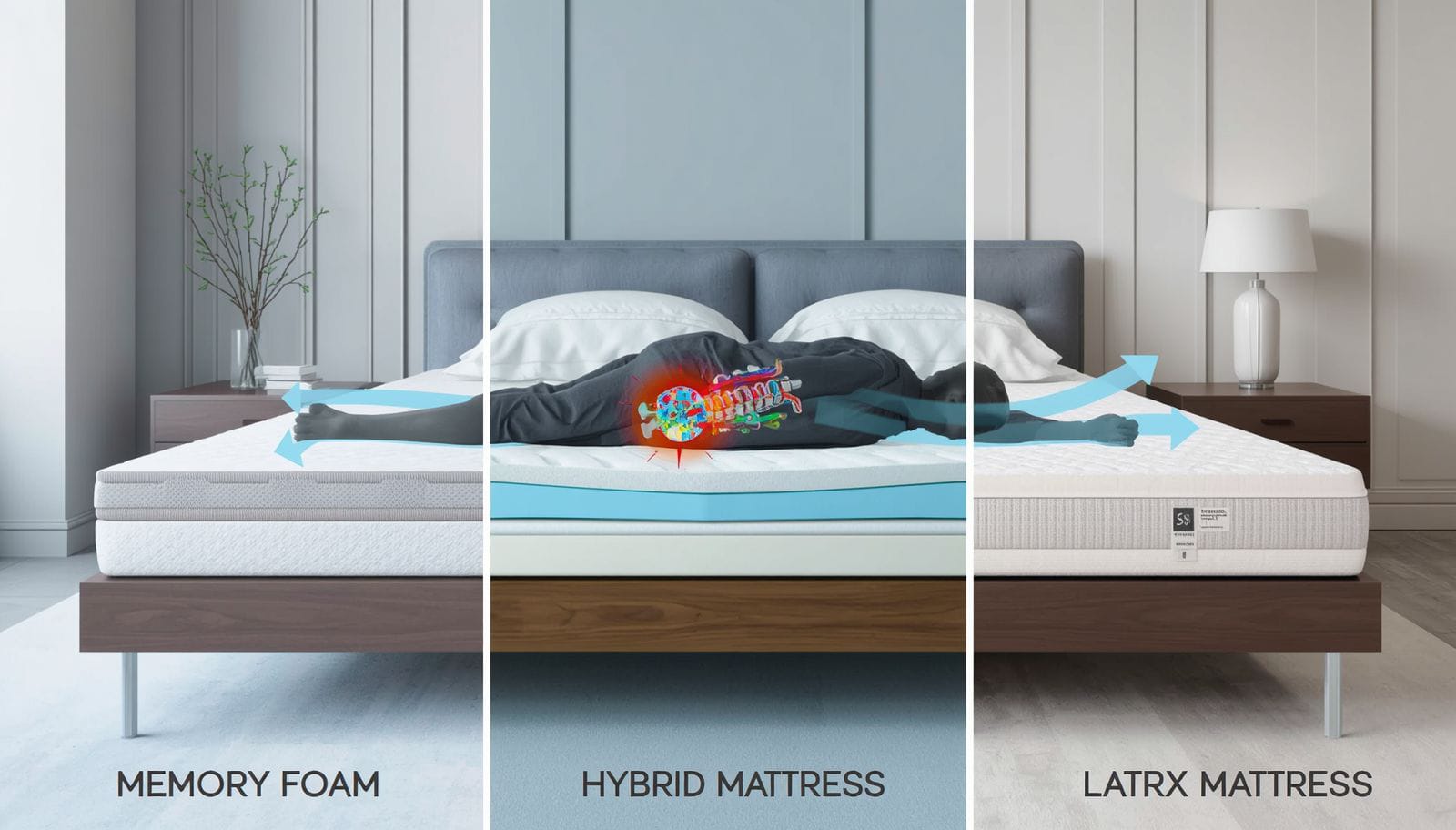
Memory Foam vs Hybrid vs Latex Mattress — Which One Fits Your Body Best?
This is the question I get asked more than any other. Here's the honest breakdown:
| Feature | Memory Foam | Hybrid | Latex |
|---|---|---|---|
| Motion Isolation | Excellent | Good | Moderate |
| Cooling Ability | Poor (traps heat) | Good (airflow coils) | Good (natural breathability) |
| Pressure Relief | Excellent | Very Good | Good |
| Durability | 5–8 years | 7–10 years | 10–15 years |
| Average Cost | $500–$1,500 | $800–$2,500 | $1,200–$3,000 |
| Best For | Side sleepers, couples | All positions, hot sleepers | Eco-conscious, durability |
If you run hot at night, avoid traditional memory foam — it is genuinely bad at heat dissipation. A hybrid or latex mattress will serve hot sleepers far better. If motion transfer is your top concern (you or your partner tosses and turns), memory foam still wins.
Adjustable Beds vs Traditional Beds
Adjustable beds used to be a hospital thing. In 2026 they're mainstream — and for good reason. Elevating the head reduces snoring and acid reflux. Elevating the feet takes pressure off the lumbar spine. For seniors with joint stiffness, adjustable beds make getting in and out dramatically easier.
If you have sleep apnea, chronic lower back pain, or you're in recovery from surgery, an adjustable base is genuinely transformative — not a luxury.
Mattress Toppers That Can Save You From Buying a New Mattress
Not everyone needs a new mattress. A quality topper can add 3–4 years of comfortable life to a mattress that's started to lose support. A 2–3 inch memory foam or latex topper in the $80–$200 range often addresses pressure point problems surprisingly well. Foam toppers are softer and cheaper; latex toppers are firmer, cooler, and more durable.
Cooling Pillows vs Gel Pillows — What Actually Helps Hot Sleepers?
| Cooling Pillow | Gel Pillow | |
|---|---|---|
| How it works | Breathable fill + cover (bamboo, Tencel) | Gel layer absorbs and dissipates heat |
| Initial feel | Cool to touch, subtle | Noticeably cold on contact |
| All-night performance | Consistent | Warms up after 1–2 hours |
| Best for | Moderate hot sleepers | Severe hot sleepers, menopause |
| Price range | $40–$100 | $60–$150 |
I've Seen This Happen Many Times — People Spend Thousands but Ignore These Cheap Fixes
Blackout Curtains, White Noise Machines, and Air Purifiers
I've talked to people who bought $3,000 mattresses and still couldn't sleep — because streetlight was flooding their room at 2 a.m. A $40 set of blackout curtains solved what thousands of dollars couldn't.
Light is a direct input into your circadian rhythm. Even low levels of ambient light during sleep suppress melatonin and shift your internal clock. White noise machines mask sudden sounds (traffic, neighbors, partners snoring) that cause micro-arousals — brief wakeups you may not remember but that fragment your sleep architecture. Air purifiers reduce allergens and VOCs that cause nighttime congestion and airway irritation.
Combined cost of these three: under $150. Impact on sleep quality: enormous.
Weighted Blankets vs Comforters
| Weighted Blanket | Comforter | |
|---|---|---|
| Weight | 8–25 lbs | 1–3 lbs |
| Main benefit | Anxiety reduction, deep pressure stimulation | Warmth, comfort |
| Best for | Anxiety, ADHD, restless sleep | General warmth, all sleepers |
| Avoid if | Claustrophobia, respiratory issues, young children | Hot sleepers (depending on fill) |
Weighted blankets work through deep pressure stimulation — the same mechanism as a firm hug. Studies show they reduce cortisol and increase serotonin in anxious sleepers. They're not for everyone, but if stress keeps you up at night, they're worth trying before prescription aids.
Minimalist Bedroom Design for Better Sleep
There's solid psychology behind the advice to keep your bedroom clean and sparse. A cluttered environment keeps the brain in a low-level state of alertness — there's always something to process, organize, or respond to visually. Strip your bedroom to essentials: bed, nightstand, lamp, and one or two meaningful objects. Many people report better sleep within the first week.
Step-by-Step Guide to Creating the Perfect Sleep Comfort Setup
Step 1 — Fix Your Mattress and Pillow Combination
- Identify your primary sleep position (side, back, stomach)
- Match mattress firmness to your weight and position (see table above)
- Check pillow loft: lying on your side, your spine should be perfectly horizontal — not tilted up or down
- If your current mattress has life left, try a topper before replacing it
Step 2 — Optimize Temperature, Noise, and Lighting
- Set thermostat to 65–68°F (18–20°C) one hour before bed
- Install blackout curtains or a quality sleep mask
- Use a white noise machine or fan for consistent ambient sound
- Keep bedroom humidity between 40–60% with a humidifier or dehumidifier as needed
Step 3 — Improve Sleep Hygiene and Stress Management
- Set a fixed wake time and stick to it 7 days a week
- No screens in bed — charge your phone outside the bedroom
- Try 5–10 minutes of box breathing or a guided meditation before sleep
- Avoid caffeine after 1 p.m. and alcohol within 3 hours of bedtime
Step 4 — Track and Improve Your Sleep Data
Once your physical setup is solid, data becomes useful. Wearables like the Oura Ring 4 and Garmin's sleep tracking watches give you visibility into time in deep sleep, HRV trends, and sleep consistency scores. Use this data to fine-tune — not to obsess. Sleep-tracking anxiety is a real thing, so treat numbers as feedback rather than performance grades.
Smart Sleep Technology Is Changing Everything in 2026
Best AI-Powered Sleep Comfort Tools and Devices
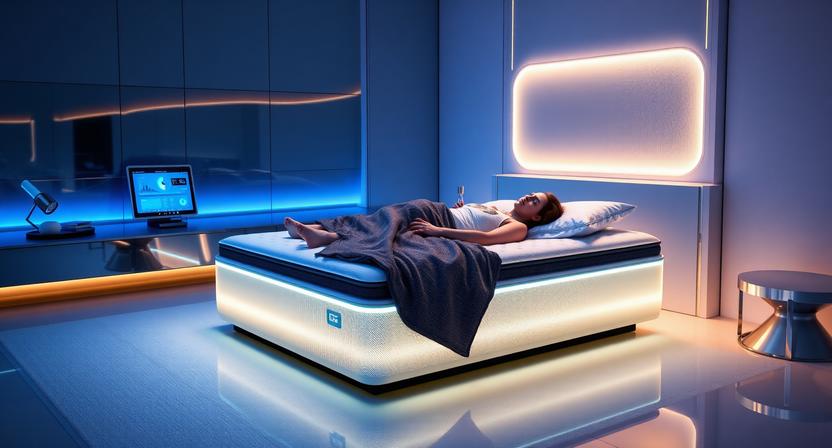
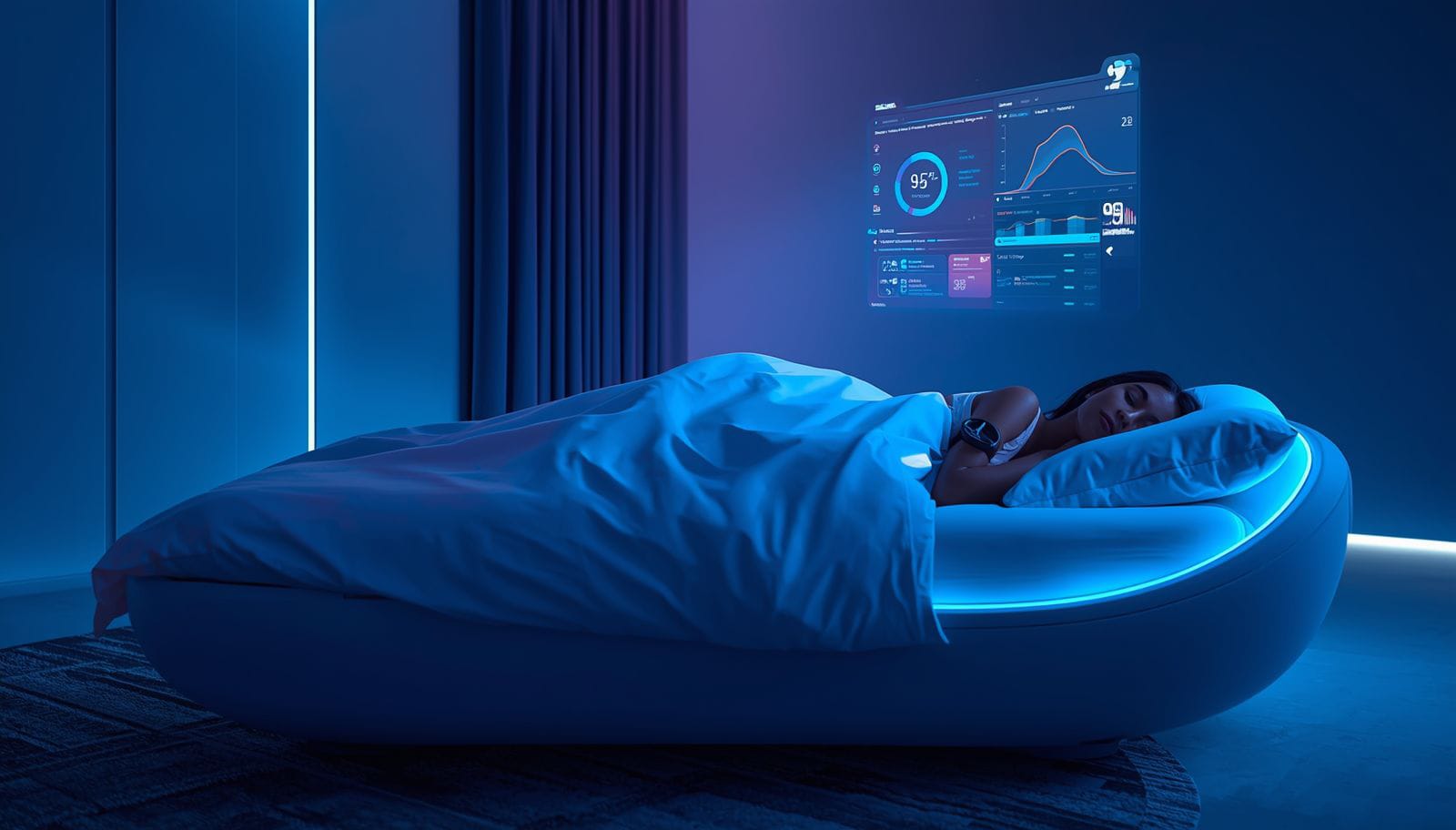
2026 has brought some genuinely impressive tools into the mainstream. Smart beds like the Eight Sleep Pod 4 and Sleep Number Climate360 now actively regulate mattress temperature throughout the night using biometric data from sensors embedded in the surface. They learn your patterns over weeks and start making micro-adjustments before your body even signals discomfort.
Circadian lighting systems — smart bulbs that shift from energizing blue-spectrum light in the morning to warm amber in the evening — work with your biology rather than against it. They're one of the most underrated sleep upgrades available today.
Mobile Apps That Help Improve Sleep Comfort
- Sleep Cycle — tracks sleep phases using microphone or accelerometer, wakes you at the lightest phase
- Calm / Headspace — guided sleep meditations and body scans; particularly useful for stress-driven insomnia
- SnoreLab — records and analyzes snoring patterns; useful data if you suspect sleep apnea
- Oura App — pairs with the ring for deep biometric sleep analytics
AI vs Human Sleep Coaches — Which Is Better?
| AI Sleep Coach | Human Sleep Specialist | |
|---|---|---|
| Cost | $0–$30/month | $100–$300/session |
| Personalization | High (biometric data-driven) | Very high (clinical context) |
| Convenience | 24/7, instant | Scheduled appointments |
| Accuracy | Good for lifestyle issues | Essential for medical sleep disorders |
| Best for | Optimization, habit building | Insomnia, sleep apnea, PTSD-related sleep issues |
Honest take: AI coaching is excellent for general optimization. If you suspect a medical cause — chronic insomnia, sleep apnea, restless leg syndrome — see a human sleep specialist. Don't let an app stand between you and a proper diagnosis.
Sleep Comfort Solutions for Specific Problems and Lifestyles
Best Sleep Comfort Solutions for Back Pain
Medium-firm mattress (5–6/10 firmness), a supportive pillow under the knees for back sleepers, or a pillow between the knees for side sleepers. Avoid stomach sleeping entirely if you have lower back pain — it forces the lumbar spine into hyperextension for hours at a time.
Sleep Comfort for Couples Sharing a Bed
The biggest issues are motion transfer and temperature preferences. A hybrid or memory foam mattress handles motion isolation best. For couples with different temperature needs, a split king adjustable bed with dual-zone temperature control (Eight Sleep's dual-zone system, for example) is worth every penny — it's essentially two separate sleep environments in one bed.
Sleep Comfort for Seniors
Joint pressure reduction is the priority. Medium-soft mattresses with good contouring, adjustable bases for easier entry and exit, and slightly raised mattress heights (25–30 inches from floor) all reduce strain. Anti-slip bed rails are a practical safety addition many families overlook.
Sleep Recovery Solutions for Athletes
Athletes need deeper, longer slow-wave sleep for tissue repair. Cooling sleep systems are particularly effective here — studies from the University of Bath show that lowering core temperature during sleep accelerates recovery biomarkers. Compression sheets and strategic magnesium supplementation (under guidance) also support muscle recovery during sleep.
Sleep Comfort for Remote Workers and Desk Jobs
If you're at a desk 8+ hours a day, your neck and shoulder muscles are chronically shortened by the time you hit the pillow. A cervical pillow that maintains neck extension during sleep counteracts this. Stretching the hip flexors and chest muscles for 5 minutes before bed also dramatically reduces the tension that migrates into poor sleep posture overnight.
What Most Reviews Won't Tell You About Luxury Sleep Products
Are Expensive Mattresses Really Worth It?
Sometimes. Not always. A $3,000 hybrid from a premium brand can be genuinely superior in materials, durability, and support consistency. But a well-spec'd $800 hybrid from a direct-to-consumer brand often performs within 10% of it. What you're often paying for above the $1,500 mark is brand prestige and showroom experience — not measurably better sleep. Spend your extra money on a smart cooling system or quality bedding instead.
Eco-Friendly and Sustainable Sleep Comfort Products
Organic mattresses (certified by GOLS for latex, GOTS for textiles) use materials that are genuinely non-toxic and biodegradable. They're not just marketing — conventional mattress foams can off-gas VOCs for weeks, which matters in a room where you spend a third of your life breathing the air. Natural latex is also hypoallergenic and resistant to dust mites. For families with young children or allergy sufferers, the upgrade is worth prioritizing.
Smart Beds vs Luxury Mattresses
A $4,000 luxury mattress gives you a static, high-quality surface. A $3,500 smart bed gives you an adaptive surface that changes throughout the night. For most people under 50 without chronic health issues, the luxury mattress probably wins on pure comfort. For hot sleepers, couples with different needs, people with chronic pain, or anyone who wants data — the smart bed delivers more long-term value.
Common Sleep Comfort Mistakes Beginners Make
Buying a Mattress Without Understanding Sleep Position
This is the most expensive mistake in the category. A mattress that's perfect for a back sleeper can genuinely cause pain for a side sleeper. Always filter mattress shopping by sleep position first, firmness second, and features third.
Replacing Bedding Too Late
Pillows should be replaced every 1–2 years; mattresses every 7–10 years. Most people go well past these timelines. A pillow that's lost its loft provides no neck support — you might as well sleep on a folded towel.
Ignoring Neck Support
People spend hours comparing mattresses and five minutes choosing a pillow. The pillow directly contacts your cervical spine all night. It deserves at least as much consideration as your mattress topper.
Sleeping in an Overheated Room
Rooms above 70°F (21°C) are physiologically incompatible with deep sleep for most adults. If you're sleeping uncomfortably hot, this is the first thing to fix — before any mattress upgrade.
Trusting Social Media Sleep Hacks Without Research
I say this with the awareness that you found this article online: not all sleep advice is created equal. Cherry-tart juice, mouth taping, and "sleepy girl mocktails" all circulate endlessly on social platforms. Some have modest supporting evidence; many don't. Prioritize sleep comfort solutions backed by sleep medicine research — and be skeptical of anything that sounds too simple to be true.
Quick Answers to Questions People Ask Before Buying Sleep Comfort Products
What are the best sleep comfort solutions in 2026?
A medium-firm mattress matched to your sleep position, a properly-sized pillow, a room kept at 65–68°F, blackout curtains, and consistent sleep hygiene habits. These fundamentals outperform any single premium product.
How can I make my bed more comfortable?
Start with a quality mattress topper if your mattress is still structurally sound. Add a pillow matched to your sleep position, breathable bedding like bamboo or Tencel, and address your room temperature. Small changes in combination create significant improvements.
Which mattress is best for pressure relief?
Memory foam still leads for pure pressure relief at contact points. For pressure relief plus cooling, a hybrid with a comfort foam top layer is the better-rounded choice in 2026.
Do cooling mattresses really work?
The quality ones do — especially active cooling systems that circulate water or air through the mattress surface. Passive cooling (gel infusions, phase-change covers) helps but gradually loses effectiveness through the night.
Why do I wake up tired even after sleeping?
Most likely causes: poor sleep quality from an unsupportive surface, overheating during the night, undiagnosed sleep apnea causing micro-arousals, or inconsistent sleep timing disrupting your circadian rhythm.
Are smart beds worth the money?
For hot sleepers, couples with different sleep needs, and people with chronic pain or sleep disorders — yes. For most healthy adults who sleep comfortably, a quality traditional mattress is better value.
What is the ideal room temperature for sleep?
65–68°F (18–20°C) for most adults. Athletes and those who sleep hot often prefer the cooler end (64–66°F).
How often should I replace my mattress?
Every 7–10 years for most mattresses. High-quality latex can last 12–15 years. Memory foam typically shows degradation at the 6–8 year mark. If you're waking up stiff or the mattress has visible sagging over 1 inch, replace sooner.
Can bedding affect sleep quality?
Significantly. Bedding that traps heat or moisture disrupts thermoregulation and leads to lighter, more fragmented sleep. Natural and moisture-wicking fabrics genuinely improve sleep quality — this isn't marketing language.
What helps reduce tossing and turning at night?
Usually one of three things: mattress firmness mismatch (causing pressure buildup), overheating, or stress. Address temperature first (cheapest fix), then sleep hygiene (free), then mattress or topper if those don't resolve it.
The Future of Sleep Comfort Solutions Is Personalized and Data-Driven
AI-Based Personalized Sleep Recommendations
We're entering an era where your sleep setup adapts to your biometrics in real time. Wearables that track HRV, skin temperature, respiratory rate, and movement are feeding algorithms that can identify your optimal sleep environment conditions with remarkable precision. In the next 2–3 years, expect AI to recommend not just when to sleep — but what surface firmness, what temperature, and what pre-sleep routine will yield your best individual recovery.
Accessibility-Focused Sleep Comfort Innovations
Smart adjustable systems are increasingly being designed for people with limited mobility, disabilities, and age-related challenges. Voice-controlled bed positioning, pressure-mapping mattresses that alert caregivers to early signs of pressure sores, and AI-assisted sleep apnea detection are all moving from clinical settings into consumer products.
Where the Sleep Industry Is Heading Next
Predictive sleep monitoring — using biometric trends to warn you 48 hours before a poor sleep night — is already in beta from several wearable companies. Smart home integration means your thermostat, lighting, and blinds will all respond automatically to your sleep state. The bedroom is becoming an intelligent recovery environment, not just a room with a bed.
Before You Buy Anything, Start With These Sleep Comfort Changes Tonight
Here's the thing most sleep content gets wrong: it sends you straight to the buy page. Real improvement usually starts with changes that cost nothing.
Your action checklist for tonight:
- Set your thermostat to 66°F (19°C) one hour before bed
- Put your phone in another room to charge
- Check your pillow — does your spine stay level when you lie on your side?
- Close your curtains completely and test for light leaks
- Commit to the same wake time for the next 7 days, no exceptions
- Take 5 minutes to do box breathing or a body scan before closing your eyes
If you do these six things consistently for two weeks and still wake up unrefreshed, then it's time to evaluate your mattress, pillow, and bedding. Most people discover their issues are environmental and behavioral — not equipment-related.
When you're ready to invest in products, start targeted: a pillow matched to your sleep position ($40–$80) before a new mattress. A blackout curtain before a weighted blanket. Fix the cheap stuff first, then upgrade intelligently.
The goal is simple: restorative sleep that actually repairs your body and clears your mind. That's what effective Best Sleep solutions deliver — not just a more expensive bed.