
You are exhausted, yet the moment your head hits the pillow your mind switches on. You watch the clock, do the maths on how little sleep is left, and dread tomorrow. If this has gone on for months, you are probably searching for the best sleep solutions for chronic insomnia, and wading through supplements, gadgets and miracle routines.
Let me save you some of that effort. This guide sticks to what clinical guidance actually supports, explains how to choose between self-help, apps and therapy, and tells you when to see a doctor. I am not a clinician, and nothing here replaces medical advice. It is a map, not a diagnosis.
Last updated: October 2026. Guidance and product availability change, so check the sources named below for current details.
Key Takeaways
- Chronic insomnia is usually defined as sleep trouble at least three nights a week for at least three months, with daytime effects.
- Cognitive behavioural therapy for insomnia (CBT-I) is a leading recommended treatment in major clinical guidance.
- Sleep hygiene helps but often cannot fix established insomnia by itself.
- Apps and trackers vary widely in quality. Check the evidence, privacy and clinical oversight before you pay.
- See a doctor if sleep problems persist, if you suspect sleep apnoea, or if mood symptoms are severe.
Table of Contents
- What Is Chronic Insomnia, and When Does Poor Sleep Become a Bigger Problem?
- What Are the Best Evidence-Based Sleep Solutions for Chronic Insomnia?
- What Most People Get Wrong About Sleep Hygiene
- How to Choose Between Online CBT-I, Sleep Apps, and Human Therapy
- How to Start Improving Chronic Insomnia Step by Step
- Why Chronic Insomnia Can Be Different for Different People
- Common Mistakes That Can Keep Insomnia Going
- When Should You See a Doctor About Chronic Insomnia?
- How to Maintain Sleep Improvements and Reduce the Risk of Relapse
- Frequently Asked Questions About the Best Sleep Solutions for Chronic Insomnia
- Clinical Sources, Trust Signals, and Editorial Standards
- Your Next Steps

What Is Chronic Insomnia, and When Does Poor Sleep Become a Bigger Problem?
Chronic insomnia is persistent difficulty falling asleep, staying asleep or waking too early, despite having enough opportunity to sleep. It is commonly defined as happening at least three nights a week for at least three months, and it causes daytime problems such as fatigue or poor concentration.
That is different from a rough week before an exam or a trip. Occasional sleeplessness passes. Chronic insomnia hangs around, and it takes a toll on daily life.
It also looks different from person to person:
- Difficulty falling asleep.
- Waking repeatedly during the night.
- Waking too early and not getting back to sleep.
- Waking up feeling unrefreshed.
Daytime effects include tiredness, trouble concentrating, irritability and slower, less reliable functioning. Those effects are part of the picture, not just the hours you clock.
Why Can't I Sleep Even When I Feel Exhausted?
Feeling tired and being able to sleep are not the same thing. Sleep depends on sleep drive (pressure that builds the longer you are awake) and your body clock. Worry, caffeine, irregular timings and a brain trained to expect wakefulness in bed can all override both.
What most people get wrong is trying harder. Forcing sleep tends to raise frustration and alertness, which makes sleep less likely. Not every case has the same cause, so treat any single explanation with caution.
When Is Insomnia More Than a Temporary Sleep Problem?
Look at persistence, frequency and daytime impact. If poor sleep has lasted months and affects work, mood or safety, it deserves a proper assessment rather than another round of tips.
What Are the Best Evidence-Based Sleep Solutions for Chronic Insomnia?
The best evidence-based sleep solution for chronic insomnia is cognitive behavioural therapy for insomnia, usually shortened to CBT-I. The American College of Physicians (2016) recommended it as first-line treatment, and the American Academy of Sleep Medicine supports behavioural treatments too.
Which approach suits you still depends on your symptoms, medical history, access, preferences and any other conditions. And structured treatment is not the same as general wellness advice.
CBT-I: Why Treating the Sleep-Anxiety Cycle Matters
CBT-I targets the thoughts and habits that keep insomnia going. Its core parts include stimulus control, sleep scheduling, cognitive techniques that challenge unhelpful sleep beliefs, and relaxation skills.
Set realistic expectations. Improvement varies, and treatment usually involves several weeks of structured work. Early weeks can feel harder before they feel better.
Stimulus Control: What to Do When You Cannot Fall Asleep
The aim is to rebuild the link between bed and sleep. A typical plan means getting out of bed when you are persistently awake and returning only when sleepy, and keeping the bed for sleep.
Exact instructions vary. Adapt them if you have mobility problems, safety concerns or other health issues, and ask a professional if unsure.
Sleep Restriction vs Sleep Compression: Which Approach Is Appropriate?
Both aim to improve sleep efficiency, which is the share of time in bed you actually spend asleep. Sleep restriction sets a tighter sleep window, while sleep compression narrows the window more gradually.
Restriction can temporarily increase daytime sleepiness. It is not suitable for everyone, so get clinician guidance if you drive for work, have epilepsy or bipolar disorder, or have other medical or safety concerns. I will not give you a personal schedule here, because that is something to set with a professional.
Can Chronic Insomnia Improve Without Sleeping Pills?
For many people, yes. Non-medication treatment, particularly CBT-I, is the usual starting point. Medication can be a short-term or individualised option after a clinical assessment, and ACP advises a shared decision with your doctor if CBT-I alone does not work.
Nobody can promise a permanent cure. And never stop prescribed medication suddenly without medical advice.
What Most People Get Wrong About Sleep Hygiene
Most people ignore this part: sleep hygiene is helpful, but it is rarely enough once insomnia is established. A dark, quiet, comfortable bedroom supports sleep. It will not, on its own, undo months of conditioned wakefulness.
It is also unfair to assume persistent insomnia always comes from bad habits. Plenty of people with tidy routines still struggle.
The bedroom does matter at the margins. A bed that leaves you sore or overheated adds avoidable disruption.
Want to try a bed in person in the Algarve? Also read: Best bed and mattress company in portugal
How to Build a Sleep Routine Without Making It Another Source of Stress
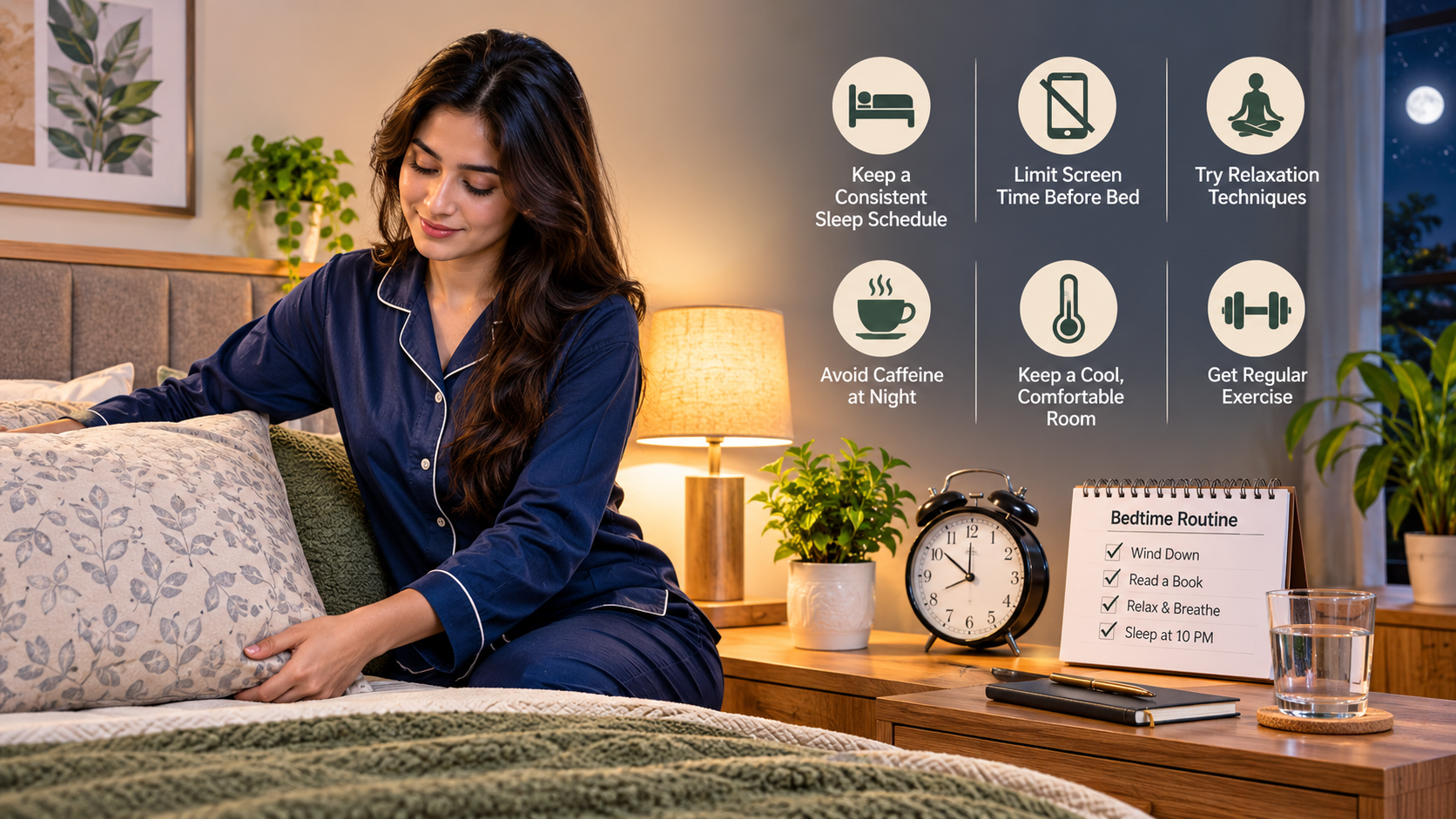
- Keep a fairly consistent wake-up time.
- Build a relaxing wind-down before bed.
- Get daylight in the morning where you can.
- Watch caffeine, nicotine and alcohol, especially later in the day.
- Be thoughtful about exercise timing and long naps.
Treat these as guidelines, not exam rules. They will not fit every life, especially with shift work, disability or caring duties.
What to Do After Another Sleepless Night
Stay calm and keep your day fairly normal. Avoid staying in bed for hours to catch up, watching the clock, or using alcohol to knock yourself out. One bad night does not mean treatment has failed.
How to Choose Between Online CBT-I, Sleep Apps, and Human Therapy
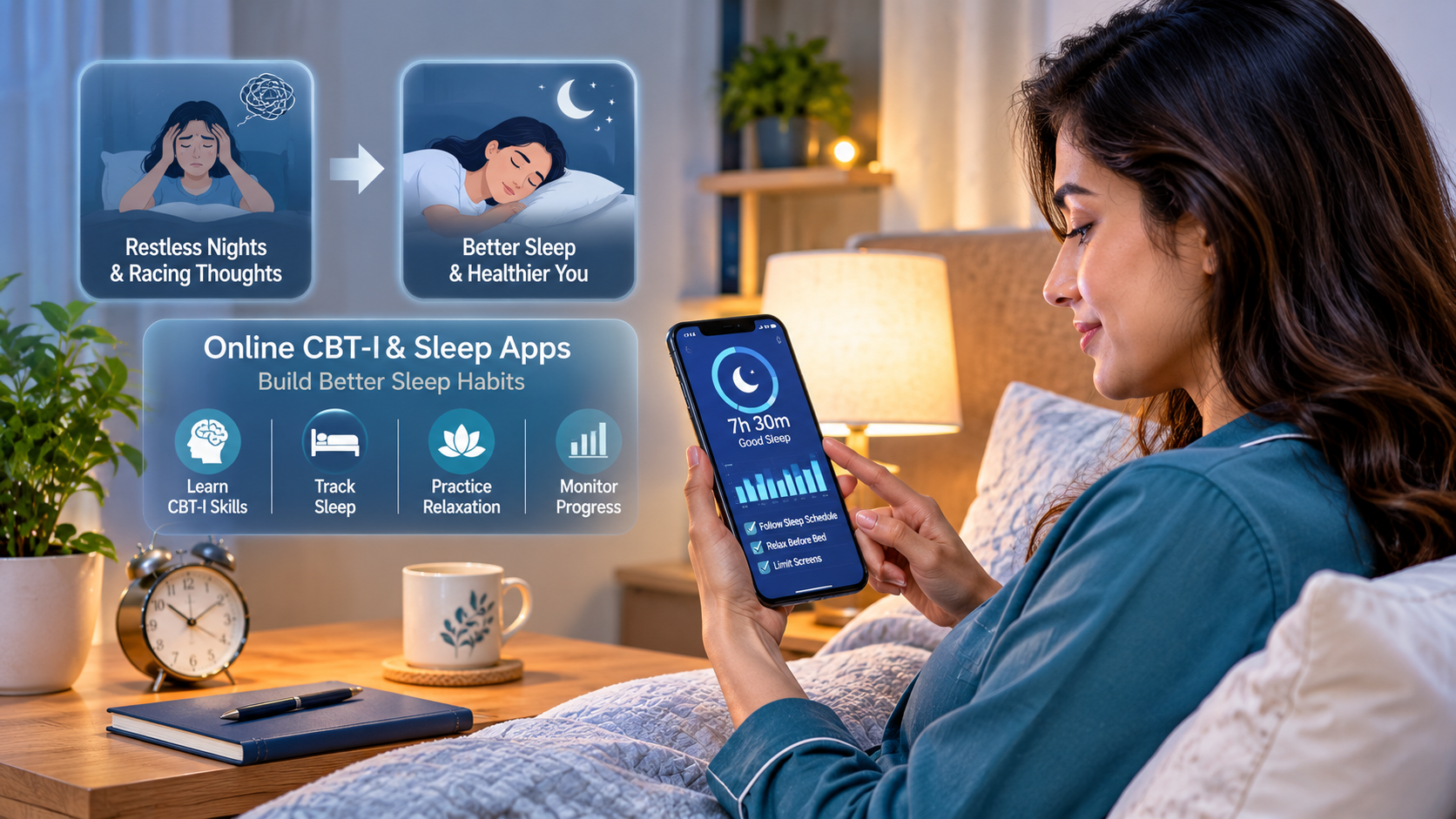
Not every app is clinically validated, so do not assume they all work. Options range from self-guided programmes to therapist-supported digital treatment, telehealth and in-person care.
Before choosing, check the evidence, clinical oversight, accessibility, privacy, eligibility and cost. In the UK, NICE recommended the digital CBT-I programme Sleepio for primary care in 2022, but availability and funding vary by area.
Comparison Table: Which Insomnia Treatment or Tool Fits Your Needs?
| Option | Potential benefits | Limitations | Best considered when |
| Clinician-delivered CBT-I | Personalised, structured support | Availability, time and cost may be barriers | Symptoms are persistent or complex |
| Digital CBT-I programme | Flexible access and guided exercises | Quality, eligibility and support vary | A structured online option is appropriate |
| Sleep diary | Helps identify patterns and supports assessment | Can become stressful if over-monitored | Preparing for treatment or a clinician visit |
| Wearable sleep tracker | May reveal broad activity and sleep patterns | Estimates are not diagnostic and may fuel anxiety | Data is useful without becoming a source of worry |
| Relaxation app | Guided breathing or relaxation exercises | Does not replace comprehensive insomnia treatment | Stress management is one part of the plan |
| General sleep-habit resources | Accessible and inexpensive | May be insufficient for chronic insomnia | Building supportive routines alongside treatment |
Pricing, eligibility, evidence and regional access change, so verify them yourself. Tools worth investigating include Sleepio and CBT-I Coach, subject to current availability. CBT-I Coach was developed to support people working with a clinician, so check how it is meant to be used.
Are AI Sleep Assistants Actually Useful for Chronic Insomnia?
Somewhat, if you keep expectations modest. AI can help you organise a sleep diary, prepare questions for a clinician, explain general sleep concepts and support a routine.
It cannot diagnose insomnia, reliably rule out other sleep disorders or replace a qualified clinician. Be careful about privacy too, because sleep, health and medication details are sensitive.
Pros and Cons of Digital Sleep Support
Pros:
- Convenient and flexible scheduling.
- Guided exercises you can repeat.
- Access where services are limited.
Cons:
- Variable evidence.
- Limited personalisation in some programmes.
- Privacy concerns.
- No clinical oversight in self-guided tools.
A human therapist or clinician is the better route if your symptoms are complex, you have other health conditions, or self-guided tools have not helped.
How to Start Improving Chronic Insomnia Step by Step
Quick answer: record your sleep, spot patterns, pick a level of support, then follow a structured plan and review it. This is a pathway, not a replacement for assessment.
- Step 1: Record your sleep pattern without obsessing. Use a simple diary for approximate bedtimes, awakenings, wake times, naps and daytime effects. Avoid clock-watching and chasing perfect scores. A clinician may also use a questionnaire such as the Insomnia Severity Index.
- Step 2: Identify patterns and possible contributors. Review caffeine, medication changes, stress, pain, hormonal changes, shift work and schedule disruption. Do not self-diagnose from one symptom or tracker result.
- Step 3: Choose an appropriate level of support. Options include self-guided resources, structured digital CBT-I, your GP or specialist sleep services. Severity, access, complexity and safety all matter.
- Step 4: Follow a structured plan and review progress. Be consistent and realistic. Progress can mean better daytime functioning and less distress about sleep, not only a better score. Review with a professional if symptoms persist or worsen.
Why Chronic Insomnia Can Be Different for Different People
Effective support has to fit your circumstances. There is no single routine that works for everyone.
Insomnia and Anxiety: How to Manage Fear of Not Sleeping
Worry keeps the brain alert, and alertness feeds more worry. CBT-I techniques target that loop. If anxiety is a bigger problem in daily life, mental health support alongside insomnia treatment may also help.
Menopause, Chronic Pain, and Medication-Related Sleep Problems
Hot flushes, pain, other medical conditions and some medicines can all disrupt sleep. Ask for a medical review rather than changing medicines or starting supplements on your own.
If pain is part of the story, comfort at night matters too. Also read: Best Mattress for Back Pain in 2026: What Actually Helped Me Sleep Without Waking Up Sore
Shift Workers, Early Waking, and Repeated Night Awakenings
Schedule misalignment, body-clock problems and insomnia can overlap. Persistent early waking or frequent awakenings that affect daytime functioning deserve assessment.
Sharing a bed adds another layer. Also read: Best Sleep Solution for Couples: How to Finally Sleep Better Together Without Compromising Comfort
Could It Be Sleep Apnoea or Another Sleep Disorder?
Warning signs include loud snoring, witnessed pauses in breathing, gasping and marked daytime sleepiness. Restless legs syndrome and body-clock disorders can also look like insomnia. A clinician can decide whether further sleep assessment is needed.
Common Mistakes That Can Keep Insomnia Going
Spending More Time in Bed to Compensate for Lost Sleep
It feels logical, but long stretches in bed can weaken the link between bed and sleep. A safer alternative is a steadier schedule. I will not prescribe a personal sleep-restriction plan in a general article.
Using Alcohol, Unverified Supplements, or Unsupervised Medication Changes
Alcohol can disrupt sleep, and supplements vary in evidence, interactions and safety. Ask a pharmacist or clinician. Never stop prescribed sleep medication abruptly without medical guidance.
Treating Wearable Sleep Scores as a Diagnosis
Consumer devices give estimates, not diagnoses. Symptoms and clinical assessment matter more. If tracking makes you anxious or compulsive about checking, cut back.
When Should You See a Doctor About Chronic Insomnia?
See your GP if poor sleep persists and affects your daytime life. Seek prompter evaluation if you suspect sleep apnoea, think a medication is affecting your sleep, or have severe low mood.
If you are at immediate risk of harming yourself or cannot stay safe, contact your local emergency number straight away. That is 999 in the UK and 112 in Portugal. In the UK you can also call Samaritans on 116 123.
Bring a sleep diary, your medication list, a symptom timeline and your questions. It makes the appointment far more useful.
How to Maintain Sleep Improvements and Reduce the Risk of Relapse
An occasional poor night does not mean insomnia is back. Keep the CBT-I skills that helped, learn your early warning patterns, and consider a refresher or professional review if old habits creep in.
Frequently Asked Questions About the Best Sleep Solutions for Chronic Insomnia
What is the most effective treatment for chronic insomnia?
CBT-I is a leading recommended treatment in clinical guidance, including from the ACP and supported by the AASM. Your best option still depends on your situation.
How long does CBT-I take to work?
Many programmes run for several weeks, but timelines vary from person to person.
Can chronic insomnia improve without medication?
Yes, for many people. Non-medication treatment such as CBT-I can be effective.
Why is sleep hygiene not helping?
Supportive habits are not structured treatment. Established insomnia often needs approaches that tackle sleep-related behaviours and worry.
What should I do if I wake up at 3 am?
Try not to panic or watch the clock. If you stay awake for a long time, follow a stimulus-control approach, which usually means getting up briefly until sleepy. Persistent waking deserves assessment.
Are insomnia apps effective?
Evidence and quality differ by programme. Look for clinical evidence, oversight and clear privacy terms.
Is sleep restriction safe for everyone?
No. It needs individual assessment, especially with medical or safety considerations.
How can I tell insomnia from sleep apnoea?
Symptoms can overlap. Snoring, gasping and heavy daytime sleepiness are warning signs that call for assessment.
Can chronic insomnia be cured permanently?
I will not promise that. Meaningful and lasting improvement is possible, but recurrence can happen.
Are sleeping pills a good long-term solution?
Medication is generally considered for short-term or individualised use after assessment. Ask your doctor about benefits, risks and dependence.
Can a new mattress fix chronic insomnia?
A comfortable bed can remove one source of disruption, but it is not a treatment for chronic insomnia on its own.
Clinical Sources, Trust Signals, and Editorial Standards
This article draws on published guidance from the American College of Physicians (2016), the American Academy of Sleep Medicine, NICE (including its 2022 Sleepio guidance) and NHS information. Recommendations change, so check each source for its current version and update date.
I am not a clinician, and this article has not had clinical review. It reflects my reading of published sources, not clinical experience. I have not tested the digital programmes named here. Any examples are labelled hypothetical, and no personal medical stories are invented.
This is general information, not medical advice. Talk to a qualified professional about your own situation. Commercial links, such as the Portuguese retailer above, are recommendations, not medical endorsements. If you spot an error, tell me and I will correct it.
Your Next Steps
The best sleep solutions for chronic insomnia usually start with structure, not gadgets. Here is what I would do this week:
- Start a simple sleep diary for two weeks, without checking the clock overnight.
- Pick one or two supportive habits, such as a steady wake time and morning daylight.
- Look into CBT-I through your GP, a qualified therapist or an evidence-based digital programme.
- Book a doctor's appointment if symptoms persist, or sooner if you snore loudly or feel very sleepy by day.
- Review your bed and bedroom only after the basics, so comfort does not become your only focus.
Progress is rarely a straight line. If you keep a plan, get the right support and stay realistic, better sleep is a reasonable goal.