Tossing and turning at 2 a.m. while knowing you have an early meeting is exhausting. Many people search for healthy sleep solutions only to end up more confused by conflicting advice and overhyped products. Real progress usually comes from combining proven habits, a supportive sleep environment, and the right tools rather than chasing one magic fix.
This guide shares practical, evidence-informed strategies I have tested and refined over years of helping people improve their rest. You will find clear steps, honest product insights, and realistic expectations.
Key Takeaways
- Consistent wake times and morning light often improve sleep faster than expensive gadgets.
- Your mattress and pillow matter, but they work best alongside solid sleep hygiene.
- Natural remedies and technology can support better rest when used thoughtfully.
- Most lasting improvements come from small daily habits rather than dramatic overnight changes.
- Tracking progress helps you see what actually works for your body.
Table of Contents
- Looking for Healthy Sleep Solutions? Here's the Quick Answer
- What Are Healthy Sleep Solutions?
- Our Evidence-Based Approach to Better Sleep
- In My Experience, Better Sleep Starts Long Before Bedtime
- This Is Where Things Get Real — The Hidden Reasons You Still Wake Up Tired
- Honestly, I Made This Mistake Too — Thinking Sleep Products Alone Could Fix Everything
- Step-by-Step Guide to Building a Healthy Sleep Routine
- Most People Ignore This Part — Optimizing Your Sleep Environment
- Healthy Sleep Products Worth Buying
- Comparison Table — Which Sleep Solution Is Right for You?
- Natural Sleep Solutions That Actually Work
- Best Healthy Sleep Solutions for Specific Problems
- I've Seen This Happen Many Times — Beginner Sleep Mistakes to Avoid
- Sleep Technology Is Changing Fast — Here's What Actually Helps
- Best Mobile Apps for Better Sleep
- AI vs Traditional Sleep Advice
- Healthy Sleep Solutions for Different Lifestyles
- Real-Life Sleep Improvement Examples
- Frequently Asked Questions
- Before You Go to Bed Tonight, Use This Healthy Sleep Checklist
- Trust, Transparency & Realistic Expectations
Looking for Healthy Sleep Solutions? Here's the Quick Answer
Healthy sleep solutions are the combination of daily habits, environmental adjustments, and supportive products that improve both sleep quality and how restored you feel in the morning. Quality sleep depends on lifestyle, stress management, nutrition, light exposure, and your bed setup—not simply spending more hours in bed.
In this guide you will learn practical steps, product comparisons, natural approaches, and technology options that work for real people with busy lives.
Quick Summary Box
- Best habit for better sleep: Consistent wake time plus morning sunlight
- Best mattress: Supportive hybrid or medium-firm memory foam matched to your position
- Best pillow: Contoured or adjustable option that keeps the neck aligned
- Best sleep app: Sleep Cycle or Rise for tracking and gentle wake-ups
- Best natural remedy: Consistent wind-down routine with magnesium-rich foods or chamomile
- Best AI sleep tool: Personalized habit coaches that analyze patterns over time
- Best wearable: Oura Ring or Apple Watch for recovery and sleep stage insights
- Best bedroom upgrade: Blackout curtains and cooler room temperature
What Are Healthy Sleep Solutions?
Healthy Sleep Solutions Explained Simply
Healthy sleep solutions refer to the practical strategies and tools that help you fall asleep more easily, stay asleep longer, and wake up feeling genuinely restored. Sleep quality is about how restorative the night was, while quantity is simply the number of hours.
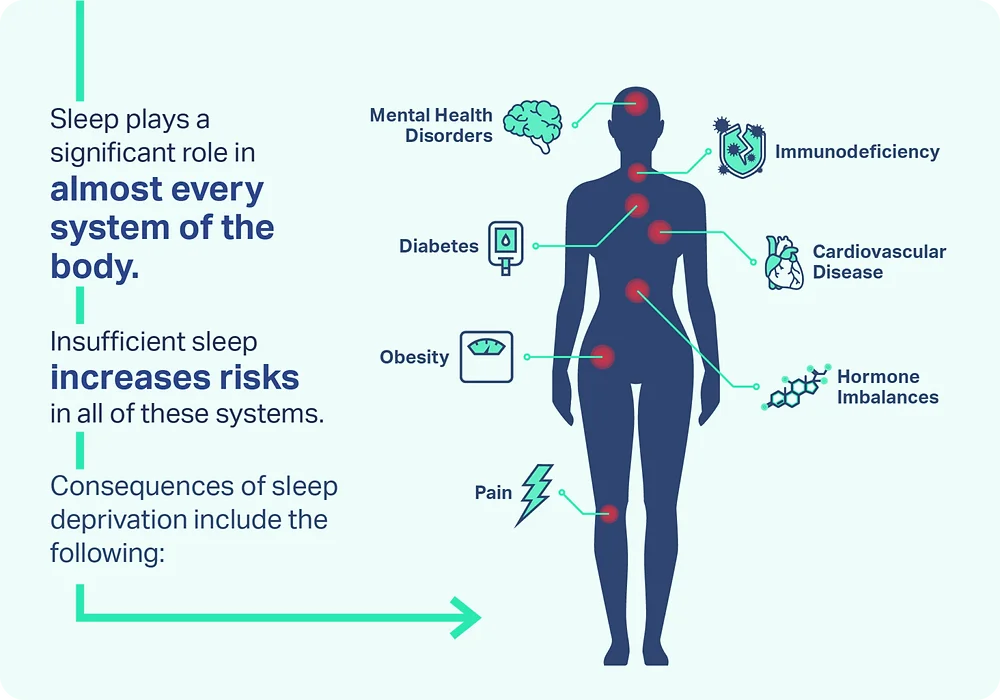
Good sleep supports memory, mood stability, immune function, metabolic health, and physical recovery. A common misconception is that lying in bed longer automatically fixes the problem. Another is that supplements alone can overcome poor habits or an unsupportive environment.
Why Poor Sleep Is More Than Just Feeling Tired
Chronic poor sleep affects brain function, concentration, emotional regulation, and productivity. It also influences recovery after exercise, immune response, heart health markers, and metabolic processes. Sleep medicine organizations and peer-reviewed research consistently link adequate, high-quality sleep to better long-term health outcomes.
When sleep is fragmented or shallow, the body and brain miss critical recovery stages. That is why many people still feel drained after a full eight hours.
Our Evidence-Based Approach to Better Sleep
How We Evaluated Every Sleep Solution
Every recommendation in this article was weighed against scientific evidence, ease of daily use, cost, long-term sustainability, safety, real user experience, and product quality where relevant. Solutions that only work under perfect conditions ranked lower than those people can actually maintain.
What Most Sleep Advice Online Gets Wrong
What most people get wrong is treating sleep advice as one-size-fits-all. Overreliance on supplements without addressing light, schedule, or stress rarely delivers lasting results. Many articles ignore the sleep environment entirely or push gadgets while downplaying basic circadian principles.
In my experience, the people who improve most start with habits and environment first, then carefully add supportive products.

In My Experience, Better Sleep Starts Long Before Bedtime
Morning sunlight within the first hour of waking helps set your internal clock. A consistent wake time, even on weekends, strengthens that rhythm. Daily movement and simple stress management during the day reduce the mental load that often keeps people awake at night.
Evening habits matter just as much. Dim lights, reduced screens, and a short wind-down sequence signal to the body that sleep is approaching.
A few years ago my own sleep was fragmented by late work and irregular wake times. After locking in a steady morning routine and protecting the last hour before bed, my deep sleep improved and morning energy became more reliable within a few weeks. The change was gradual, not dramatic, but it stuck.
This Is Where Things Get Real — The Hidden Reasons You Still Wake Up Tired
Why do I wake up tired after 8 hours? Common reasons include poor sleep hygiene, unresolved stress or anxiety, evening blue light exposure, an unsupportive mattress or pillow, a room that is too warm, undiagnosed sleep apnea or heavy snoring, and an irregular schedule that confuses your body clock.
Many people assume they simply need more hours. In reality the quality of those hours often matters more. Identifying the specific friction points is the first practical step toward better rest.

Honestly, I Made This Mistake Too — Thinking Sleep Products Alone Could Fix Everything
I once invested in a new mattress and high-end pillow while still scrolling on my phone until midnight and drinking coffee late in the afternoon. The products helped a little, but the real gains only appeared after the habits caught up.
Products support healthy sleep solutions. They do not replace lifestyle foundations. Long-term behavior change is what turns temporary improvement into lasting results. Treat tools as amplifiers, not substitutes.
Step-by-Step Guide to Building a Healthy Sleep Routine
Step 1: Wake up at the same time every day, including weekends.
Step 2: Get natural sunlight soon after waking.
Step 3: Move your body regularly during the day.
Step 4: Limit caffeine after early afternoon.
Step 5: Reduce bright screen exposure in the final hour before bed.
Step 6: Create a short, relaxing bedtime routine you can repeat.
Step 7: Keep the bedroom cool, dark, and quiet.
Step 8: Track your sleep for a few weeks to spot patterns.
These steps form the core of most effective healthy sleep habits. Consistency beats intensity.
Most People Ignore This Part — Optimizing Your Sleep Environment
Bedroom Temperature
Most people sleep best in a cool room, typically between 15 and 19 degrees Celsius. A cooler environment supports the natural drop in body temperature that helps initiate sleep.
Light Exposure
Blackout curtains or an eye mask block disruptive light. Even small amounts of light can interfere with melatonin production for sensitive sleepers.
Noise Reduction
White noise machines or simple fans help mask sudden sounds. Consistent background sound is often less disruptive than complete silence interrupted by traffic or household noise.
Air Quality
Clean air and comfortable humidity support easier breathing. Air purifiers and humidifiers can help in dry or polluted environments.
Mattress & Pillow Support
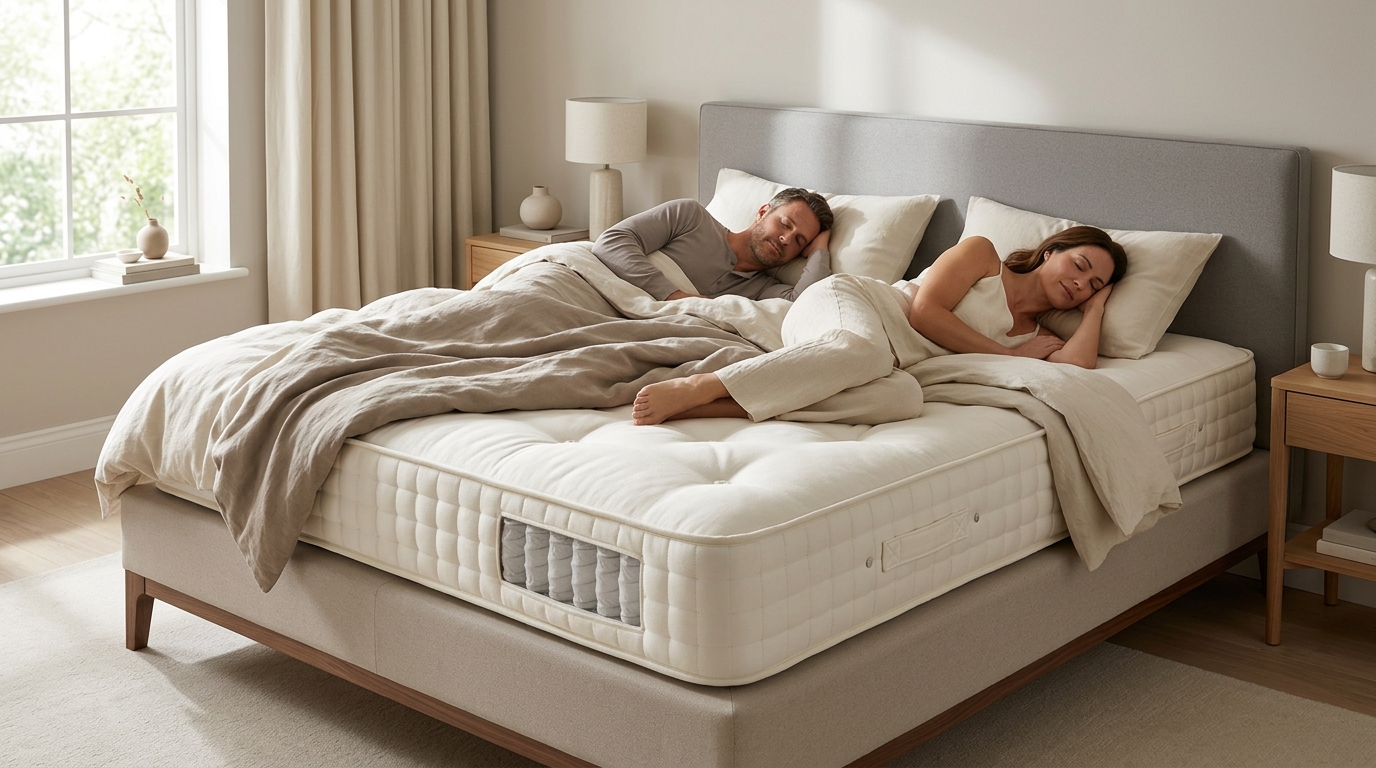
A mattress that keeps the spine aligned and a pillow that supports the neck reduce tossing caused by discomfort. Pressure points and poor alignment are common hidden disruptors.
Also read: Best Mattress for Back Pain in 2026: What Actually Helped Me Sleep Without Waking Up Sore
Bedding Materials
Breathable natural or performance fabrics help regulate temperature better than heavy synthetic layers for many people.
Healthy Sleep Products Worth Buying
Mattresses
Memory foam offers excellent pressure relief but can retain heat. Hybrids usually balance contouring with better airflow. Latex provides resilient support and strong durability.
Pros of a good mattress include better alignment and fewer pressure-related wake-ups. Cons include cost and the need for a proper trial period. Choose based on sleeping position and body weight rather than brand prestige alone.
Ergonomic Pillows
Benefits include improved neck alignment and reduced morning stiffness. Drawbacks appear when the loft is wrong for your body. Side sleepers usually need higher loft than back sleepers.
Mattress Toppers
Useful for fine-tuning firmness without replacing the entire mattress. Not a permanent fix for a deeply worn mattress.
Weighted Blankets
Many people find the gentle pressure calming. They can feel too warm in hot climates and are not ideal for everyone, especially young children or certain medical conditions.
White Noise Machines
Simple, effective, and low maintenance for masking disruptive sounds. Choose models with continuous power or long battery life.
Smart Lights
Gradual dimming in the evening and gentle morning light support natural circadian signals. Best used as part of a broader routine.
Air Purifiers
Helpful in dusty or high-pollution areas. Look for quiet models with appropriate filtration.
Humidifiers
Useful in dry indoor air that irritates airways. Regular cleaning is essential to avoid mold.
Also read: Best Sleep Solution for Couples: How to Finally Sleep Better Together Without Compromising Comfort
Comparison Table — Which Sleep Solution Is Right for You?
| Solution | Cost | Effectiveness | Ease of Use | Best For | Maintenance | Overall Value |
| Mattress | High | High | Easy | Alignment & comfort | Low | Excellent long-term |
| Pillow | Low-Medium | High | Easy | Neck support | Low | Very High |
| Weighted Blanket | Medium | Medium-High | Easy | Anxiety & calm | Low | Good |
| White Noise Machine | Low-Medium | Medium-High | Very Easy | Noise masking | Very Low | High |
| Smart Light | Medium | Medium | Easy | Circadian support | Low | Good |
| Air Purifier | Medium | Medium | Easy | Air quality | Filter changes | Good |
| Humidifier | Low-Medium | Medium | Easy | Dry air relief | Regular cleaning | Good |
Natural Sleep Solutions That Actually Work
Magnesium-rich foods, tart cherry, and chamomile have modest supporting evidence for some people. Meditation, slow breathing, yoga, journaling, and progressive muscle relaxation help quiet mental activity before bed.
These approaches work best as part of a consistent routine. They are not guaranteed fixes for clinical insomnia or sleep disorders. Limitations include individual variation and the need for ongoing practice rather than one-off use.
Best Healthy Sleep Solutions for Specific Problems
Back Pain
Focus on spinal alignment with a supportive mattress and pillow. Gentle movement during the day and side-sleeping with a pillow between the knees can help. Seek professional advice for persistent pain.
Neck Pain
An adjustable or contoured pillow matched to your sleep position often makes the biggest difference.
Anxiety and Stress
Wind-down routines, breathing exercises, and limiting late-day stimulation are foundational. Weighted blankets help some people.
Insomnia
Stimulus control, consistent schedules, and cognitive approaches have stronger evidence than most products. Consult a professional if problems persist.
Snoring and Possible Sleep Apnea
Positional strategies and medical evaluation matter more than basic products. Do not ignore loud chronic snoring or gasping.
Pregnancy, Shift Work, Seniors, Athletes, and Travelers
Each group benefits from tailored timing, support, and recovery strategies. Shift workers need careful light management. Athletes should prioritise recovery windows. Travelers benefit from portable routines and eye masks.
I've Seen This Happen Many Times — Beginner Sleep Mistakes to Avoid
- Sleeping at wildly different times on weekends
- Using phones in bed right up to lights out
- Drinking caffeine late in the day
- Heavy meals close to bedtime
- Ignoring an old, sagging mattress
- Buying supplements without addressing basics
- Sleeping in an overly warm room
- Trying to “catch up” with long weekend lie-ins
Most people ignore this part: small consistent corrections beat occasional perfect nights.
Sleep Technology Is Changing Fast — Here's What Actually Helps
AI Sleep Coaches
Tools powered by models like ChatGPT, Gemini, Claude, or Perplexity can offer personalized habit suggestions and pattern recognition. They are useful for structure and reminders but lack clinical judgment and human context.
Smart Mattresses
Adjustable firmness and temperature features help some users. Cost and complexity are higher.
Wearables
Oura Ring, Apple Watch, Fitbit, and Garmin provide useful trends for sleep duration, stages, and recovery. Treat the data as directional rather than perfectly precise.
Smart Alarm Systems and Bedroom Automation
Gentle wake windows, automated lighting, and temperature schedules support natural rhythms when set up thoughtfully.
Best Mobile Apps for Better Sleep
Sleep Cycle offers intelligent alarms and basic tracking. BetterSleep and Calm provide soundscapes and guided relaxation. Pillow focuses on detailed analysis. Rise emphasises energy and schedule alignment. Headspace delivers strong meditation content.
Choose based on whether you need tracking, relaxation, or schedule coaching. Free versions are often enough to start.
AI vs Traditional Sleep Advice
| Factor | AI Tools | Traditional Advice |
| Personalization | High with data | High with good clinician |
| Cost | Low to Medium | Variable |
| Availability | Instant | Appointment-based |
| Scientific Accuracy | Depends on training | Strong with specialists |
| Human Empathy | Limited | High |
| Convenience | Excellent | Lower |
| Best Use Cases | Habits & tracking | Disorders & complex cases |
AI helps with daily structure and pattern spotting. Healthcare professionals remain essential for persistent or medical sleep issues.
Healthy Sleep Solutions for Different Lifestyles
Busy professionals often need strict boundaries around evening screens and a non-negotiable wind-down. Students benefit from consistent schedules even during exam periods. Parents may focus on efficient wind-down sequences and partner support. Remote workers should create clear end-of-day rituals. Shift workers require strategic light and dark management. Seniors often need attention to nighttime awakenings and safe mobility. Couples benefit from motion isolation and shared routines. Frequent travelers do well with portable blackout and noise solutions plus rapid schedule adjustment strategies.
Real-Life Sleep Improvement Examples
An office worker reduced late caffeine and added a 20-minute evening walk. Sleep became more continuous within three weeks. An athlete prioritised a cooler room and consistent bedtime; recovery metrics improved modestly but steadily. A parent used white noise and a stricter phone curfew; night wakings felt less disruptive. A student locked in a fixed wake time; daytime focus improved. An older adult improved room darkness and pillow support; nighttime awakenings decreased gradually.
These are realistic shifts, not overnight transformations.
Frequently Asked Questions
What are healthy sleep solutions?
They are the combined habits, environmental changes, and supportive products that improve how easily you fall asleep, how well you stay asleep, and how restored you feel the next day.
How can I naturally improve sleep quality?
Focus on consistent wake times, morning light, limited evening screens, a cool dark room, and a short relaxing routine. These foundations outperform most isolated remedies.
How much sleep do adults need?
Most adults function best with seven to nine hours. Individual needs vary, and quality matters as much as total time.
Which mattress is best for healthy sleep?
The best mattress supports spinal alignment for your body and sleep position. Medium-firm hybrids or quality memory foam work well for many people.
Is melatonin safe?
Short-term use is generally considered low risk for many adults, but it is not a long-term solution and should be discussed with a healthcare professional if used regularly.
Why do I wake up tired?
Possible reasons include fragmented sleep, poor alignment, stress, room temperature, light exposure, or an undiagnosed sleep disorder. Tracking patterns helps narrow the cause.
Do sleep trackers work?
They provide useful trends for duration and consistency. Stage data is approximate. Use them for direction rather than absolute precision.
What is sleep hygiene?
Sleep hygiene refers to the daily habits and environmental conditions that support reliable, restorative sleep.
Can anxiety cause poor sleep?
Yes. Racing thoughts and physiological arousal make it harder to fall and stay asleep. Addressing both the mental and environmental factors helps.
What foods improve sleep?
Magnesium-containing foods, tart cherries, and herbal teas like chamomile support some people. Timing and overall diet matter more than any single food.
Is a weighted blanket worth it?
Many users find the pressure calming. It is worth trying if anxiety or restlessness is an issue and the climate is not too warm.
How long does it take to improve sleep habits?
Noticeable improvements often appear within two to four weeks of consistent changes. Full adaptation can take longer.
Before You Go to Bed Tonight, Use This Healthy Sleep Checklist
- ✓ Consistent bedtime planned
- ✓ Consistent wake time set
- ✓ No late caffeine
- ✓ Limited screen time in the final hour
- ✓ Comfortable, supportive mattress
- ✓ Pillow that keeps the neck aligned
- ✓ Cool room temperature
- ✓ Dark sleeping space
- ✓ Quiet or masked noise environment
- ✓ Short relaxation routine ready
- ✓ Sleep tracking available if useful
- ✓ Morning sunlight plan in place
Trust, Transparency & Realistic Expectations
This article provides general wellness information, not personalized medical advice. Persistent sleep problems, loud snoring, gasping, or excessive daytime sleepiness warrant professional evaluation. Recommendations draw from sleep research, recognized health organizations, practical testing, and aggregated user experiences.
Product landscapes and research evolve. Strategies should be personalized. Benefits and limitations are both discussed so you can make informed choices. Start with the highest-leverage habits, protect your sleep environment, and add tools only when they clearly support your routine.
Healthy sleep solutions work best when treated as a system rather than a shopping list. Pick one or two changes from the checklist tonight, protect them for the next two weeks, and build from there. Better mornings usually follow consistent evenings.